AE
AE
 SA
SA
 KW
KW
 QA
QA
 BH
BH
 OM
OM
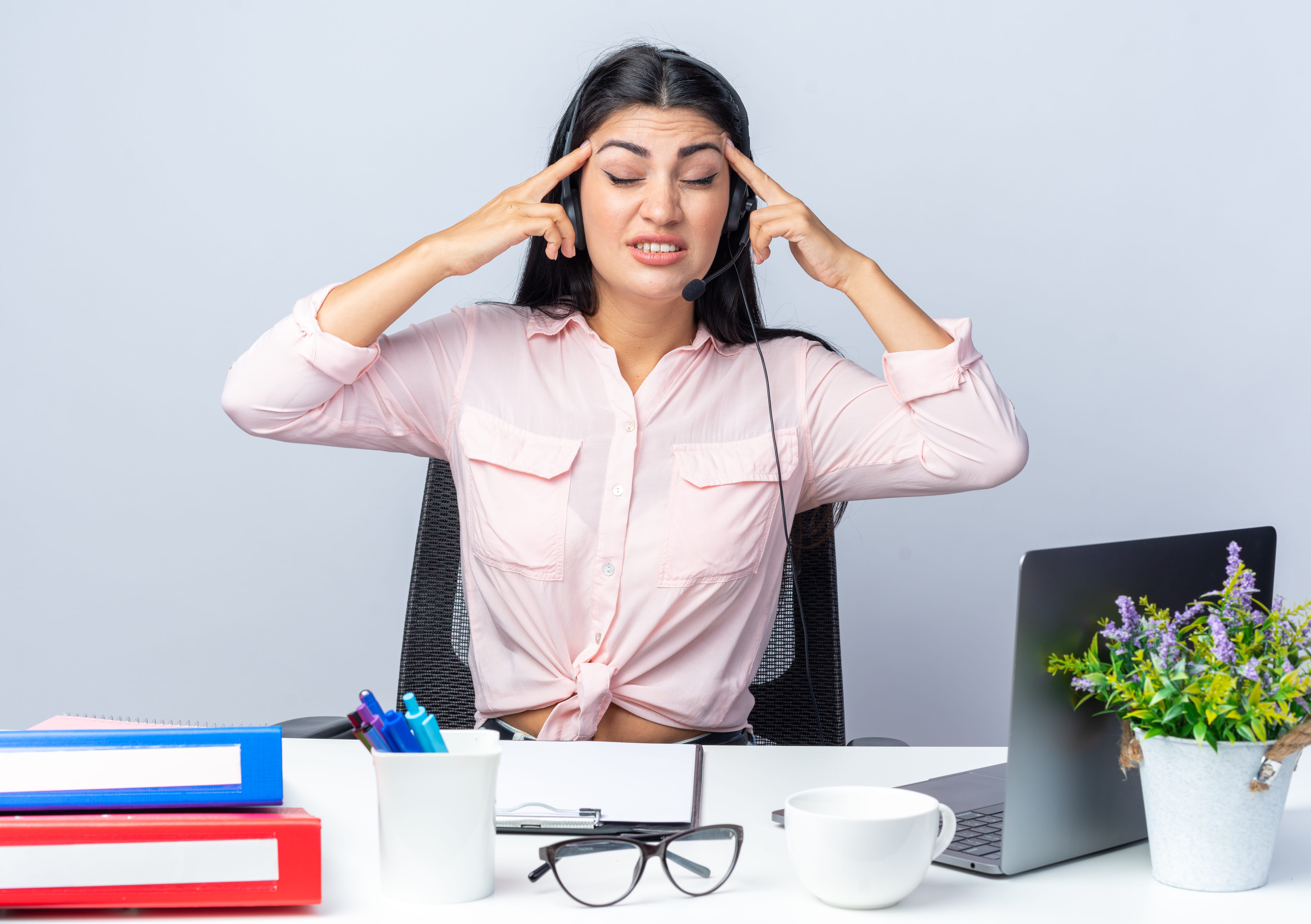
Did you know that stress can affect both your physical and mental health? Millions of people around the world suffer from stress which does not allow them to lead a healthy life. Stress has in fact become an increasingly common part of modern life. People of all age groups suffer from stress due to several reasons. Common causes of stress may include work pressures, personal issues and unforeseen life events. If stress is not managed timely, it can lead to more severe physical and mental conditions. Before you learn how to manage stress, you must know what exactly stress is.
What is Stress?
Stress is the body's natural response to a challenge or demand. Stress release hormones such as cortisol and adrenaline that prepare your body for a “fight-or-flight” response. Prolonged or chronic stress can be damaging your wellbeing, leading to conditions such as hypertension, heart disease and diabetes.
Stress can also cause anxiety, depression, and sleep disorders. Stress-related health problems contribute to billions in lost productivity every year. While stress is a serious problem, there are several stress management methods that can help you control this condition.
Why Must You Manage Stress
According to a study, 79% of individuals experience stress to varying degrees of severity. People feeling most stressed daily are those working full time (82%), and students (83%).
Stress management is critical to lead a healthy mental and physical life. Without managing stress, you cannot focus on anything, solve problems or participate in daily activities of life properly. Proper stress management can help you in several ways. It will help you improve your physical health, remain safe from chronic diseases and also enhance mental well-being. You will also be able to increase productivity and focus and lead a better life at home with improved relationships.
Symptoms of Stress
If you are not able to sleep well at night or if you have been experiencing headaches with no real cause, these could be signs of stress. Stress has a number of symptoms. People may experience different signs. Common signs of stress include:
- Fatigue or low energy
- Headaches / migraines
- Increased heart rate or palpitations
- Muscle tension or pain
- Trouble sleeping or insomnia
- Anger or Irritability
- Mood swings
- Difficulty concentrating
Some people also feel changes in appetite and digestive problems such as nausea, stomach aches or diarrhoea while others report withdrawal from social interactions.
Stress Management Techniques
Mindfulness and Meditation
One of the most popular and effective ways to manage stress include practices such as meditation, deep breathing, and mindfulness. These strategies help to relax the mind and regulate stress hormones. You can try guided meditations or join a mindfulness center where you learn to relax and manage your stress. Meditation and mindfulness trainings and exercises are great for reducing anxiety and improves focus, leading to get over stress with ease.
Cognitive Behavioural Therapy
Cognitive Behavioural Therapy (CBT) is another effective treatment for stress. It helps people identify and modify negative thought patterns that lead to stress. With the help of this therapy, you will be able to reduce anxiety, enhance problem-solving skills and learn how to manage stress in the long term.
Physical Activity
Simple exercises such as swimming, walking and yoga can help you reduce stress significantly. Strength training can also be great for stress management. It helps release body’s natural “feel-good” chemicals helping you feel calm and happier. By regular exercises you will be able to reduce stress, boost your energy level and also improves your sleeping patterns.
Social Activities
Being socially active, meetings and hanging out with family and friends is also great for stress management. You can also participate in groups that promote emotional relief or take part in events where you can contribute positively to relieve stress. It will help you reduce the feelings of loneliness and get the emotional support essential to lead a healthy life.
Healthy Lifestyle Choices
What you eat and drink, how you sleep and things that you do in your daily life all affect your stress level. Maintaining a balanced lifestyle can reduce stress to a considerable level. You must take a balanced diet, stay hydrated and sleep well to reduce stress level. Lack of sleep, poor eating habits and no physical activity also contribute to stress while adhering to positive lifestyle can help control stress level.
Benefits of Effective Stress Management
Stress management has a number of benefits. From helping you have mental clarity to allowing you to have increased energy, there are several advantages that you can enjoy once you start managing your stress.
- Lower blood pressure
- Improved immune function
- Reduced heart disease risk
- Reduced risk of chronic diseases such as obesity, diabetes
- Enhanced focus
- Emotional stability
- Decreased anxiety and depression
- Stronger relationships
- Improved quality of life
Stress Management – The Key to a Happier and Healthier Life
A little bit of stress is good and can help us perform daily activities. Too much stress can cause physical and mental health problems. Learning how to cope with stress can help us feel less overwhelmed and support our mental and physical well-being. (WHO)
Stress is a natural part of life, but if you do not learn to manage it, it can prove to be very harmful. Simple techniques such as deep breathing, meditation and mindfulness can help you manage stress. Lifestyle changes like eating healthy foods, socializing and being more active can also help you manage stress levels with ease. Invest time and effort into stress management so that you can improve your life quality for years to come. Good luck!