AE
AE
 SA
SA
 KW
KW
 QA
QA
 BH
BH
 OM
OM
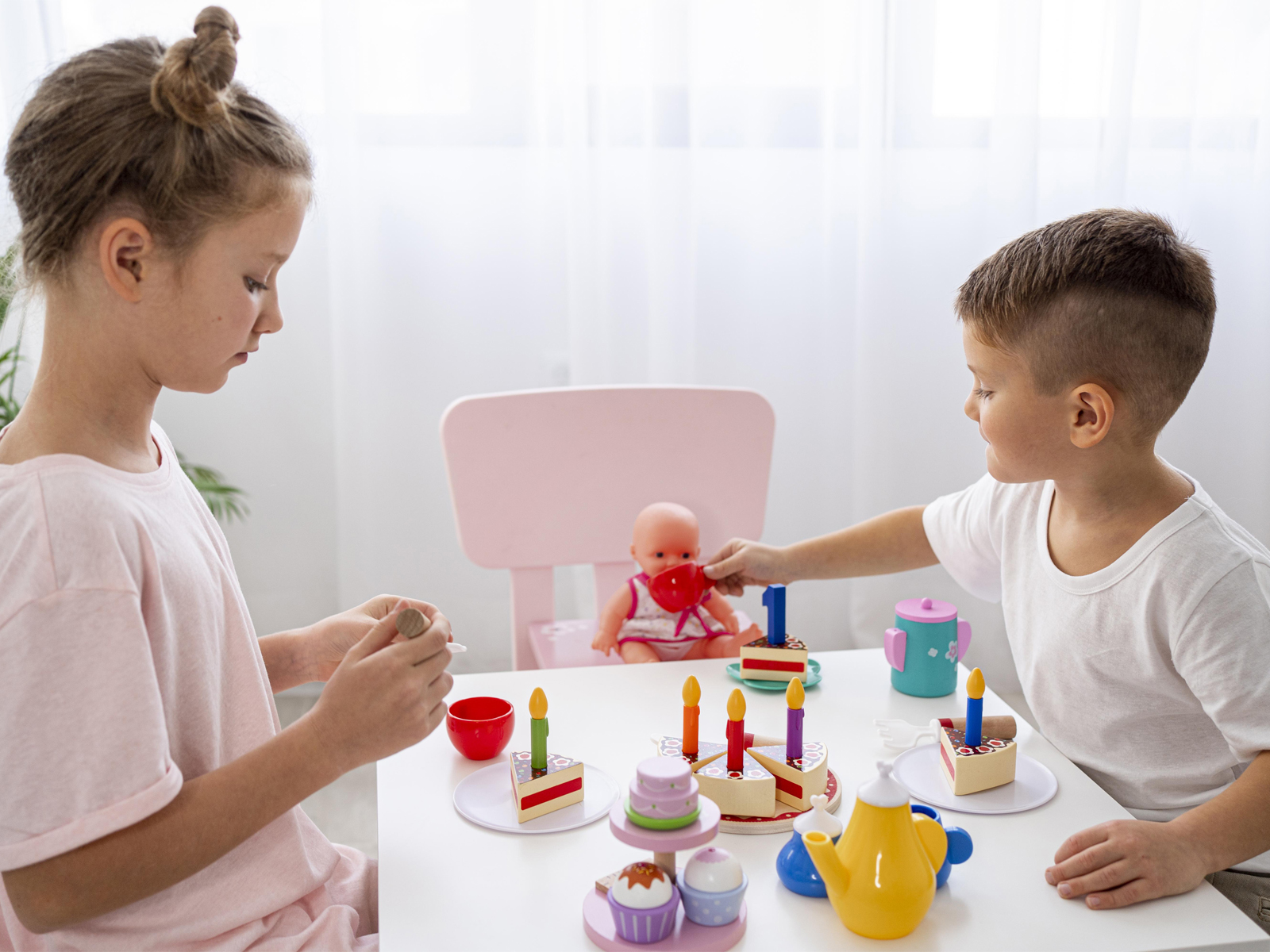
Is your child having issues expressing themselves? Play therapy can help. Oftentimes, children find difficulty in explaining their feelings and thoughts. When they face challenges such as trauma, anxiety, or behavioural problems, they usually do not have the emotional awareness to communicate their needs. Play therapy is designed to help children process their emotions and experiences in a healthy way, by using play and creative activities. Play therapy is used by counsellors and therapists around the world. It is an effective way to support your child’s mental health and emotional wellbeing. It is important to learn about this therapy in detail so that you can make an informed decision about your child’s future.
What is Play Therapy?
Play therapy is an approach that is made to help children, usually between the ages of 3 to 12, express themselves in healthy ways. It can also help older children and adolescents. Instead of relying only on conversation, play therapy uses games, toys, art, storytelling, and roleplay in order for kids to communicate difficult thoughts and feelings. During sessions a trained therapist observes and interacts with the child, which helps them support their emotional development.
How Does Play Therapy Work?
Children often express themselves through play instead of conversation. By observing their interactions with stories, toys, or drawings, hidden emotions, experiences, and fears can be revealed. Play therapy allows children to process trauma, build confidence, express emotions, and learn healthy coping skills.
Types of Play Therapy
Child-Led Play Therapy
Child-led therapy is the most commonly used form of play therapy. The child leads the session as the therapist follows their choices and interests. This allows the child to naturally express themselves and build confidence.
Role-Play Therapy
In role-play therapy, children use dolls, costumes, puppets, or imaginative scenarios to explore emotions, relationships and life events in a safe way.
Creative Arts Therapy
This form of play therapy helps to communicate expressions that may be challenging to verbalize. During such sessions things such as painting, drawing, crafting, storytelling, and music are used.
Directive Play Therapy
Directive play therapy is used to address specific concerns. These may include emotional awareness, problem-solving, social skills, trauma processing, and anxiety management. The therapist chooses activities and tools according to the problem.
Sand Tray Therapy
Sand tray therapy uses miniature figures and objects placed in a tray of sand. Children are allowed to craft scenes that may reflect their inner emotions, thoughts, experiences, which provide insight into their emotional world.
Benefits of Play Therapy
Play therapy plays a critical role in child psychology. Its importance cannot be overstated for both children and adults. It makes a great tool for healing and personal growth. Here are some of the benefits of this form of therapy:
Improved Communication. Play therapy helps little ones develop the ability to express their thoughts and emotions which they may not do in normal circumstances. As a result, kids can develop stronger relationships with family members and other children.
Problem-Solving Skills. Another key benefit of play therapy is that it helps develop problem solving skills within children. It promotes exploration skills in kids in different scenarios, supporting the development of essential skills including problem-solving.
Emotional Expression. One of the best things about play therapy is that it helps your child express your emotions. Children are provided with opportunities to express their emotions. Kids play while expressing themselves which gives vent to their feelings.
Stress Relief. Stress relief is as important for kids as it is for adults. Participating in various activities allows kids to release stress essential to lead a happy and healthy life.
Behavioural Improvements. By engaging in various activities, kids can also have improved behaviour. As they get to explore their emotions and learn new skills, children learn to handle various real-life situations positively.
Self-Esteem. Play therapy also helps boost your kid’s self-esteem. Learning and engaging in new activities help boost confidence and allows children to master new skills and overcome challenges. So if you want to help you children grow mentally and emotionally while boosting their self-confidence, play therapy is the way to go.
Social Skills. Every child must learn social skills to cope with various situations in life. Play therapy works by using role-playing and social interaction, which can helps improves a child’s social skills.
Play Therapy – An Excellent Support for Your Child’s Development
Play therapy is a safe and effective approach that helps children process experiences, express emotions, and overcame emotional or behavioural issues. Since play is a natural form of communication for children, it is ideal to help them feel understood and supported. Whether your child is processing trauma, anxiety, grief, social challenges, or behavioural difficulties, play therapy is the perfect approach to help them build confidence and thrive. So if you notice any issue that can be managed through play therapy, do not hesitate and take a step now.